
Application-led geometry
Discuss rectangular, shaped or compact formats around the available installation envelope.
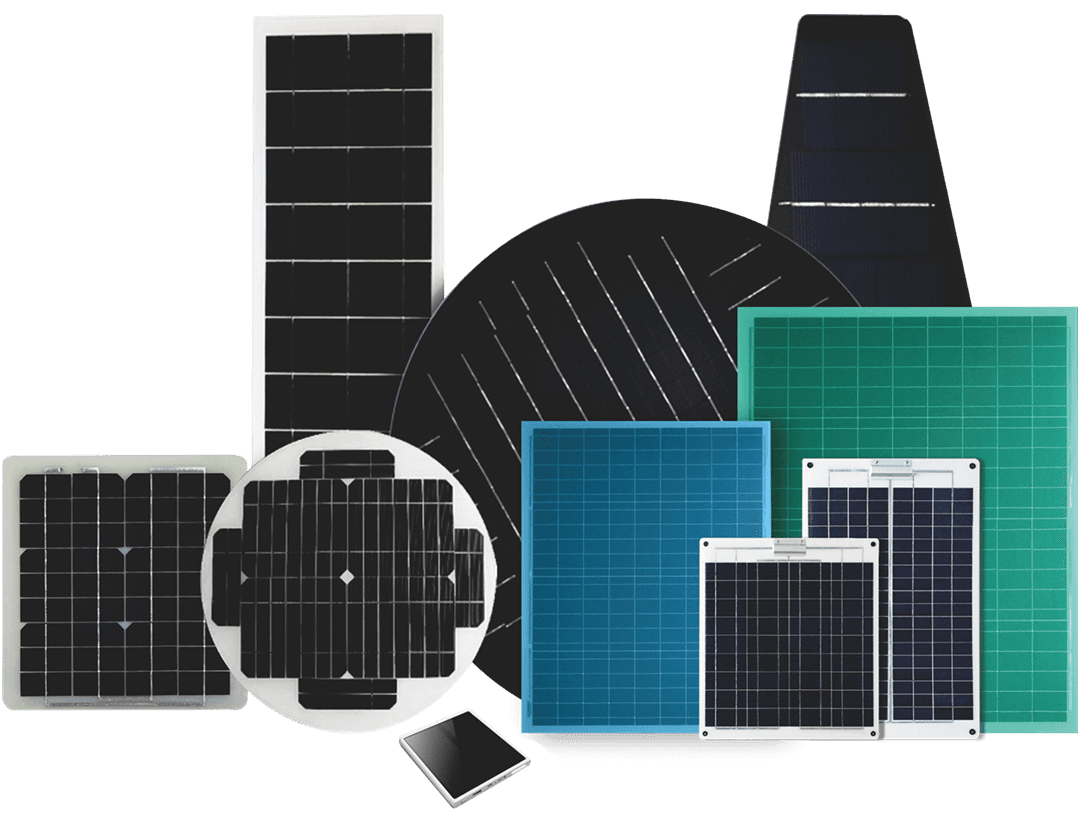
OEM & CUSTOM MODULES
Auriva Energy manufactures custom solar panels for OEM projects in China. Share dimensions, power targets, frames and cable requirements for a model review and project quotation.
Share a drawing, target power, operating voltage and intended application. Discuss module shape, dimensions, cell layout, cable exit and integration requirements with our team.
Confirm model ratings and installation details against the selected product documentation.
APPLICATION & SELECTION
Solar lighting, connected devices, marine equipment and custom off-grid products.
A custom solar module starts with the product it needs to fit. Share the enclosure or mounting drawing, target power and operating voltage, along with the intended environment and use pattern.
Discuss shape, cell arrangement, surface construction and connection location as one design. The agreed sample specification should record dimensions, electrical targets, mechanical integration and the documents needed for production approval.
WHY THE FORMAT MATTERS
Discuss rectangular, shaped or compact formats around the available installation envelope.
Provide operating voltage, current and the connected electronics so the module configuration can be reviewed.
Agree the drawing, finish, cable specification and validation scope before committing to volume production.
KEY PARAMETERS
These are family-level selection details. Exact ratings, dimensions and supplied components are confirmed against the selected model documents.
| Parameter / design input | What to confirm |
|---|---|
| Target power & voltage | State the desired output and operating voltage. |
| Dimensions & shape | Provide a dimensioned drawing or installation envelope. |
| Cell layout & finish | Discuss the cell format, appearance and surface materials. |
| Cable & connector | Specify cable length, exit position and connector type. |
| Application & quantity | Define integration, operating conditions, samples and volume. |
MODULE CONFIGURATION
Include these inputs in the model and drawing review.
| Parameter / design input | What to confirm |
|---|---|
| Shape & dimensions | Provide a dimensioned drawing with tolerances, cut-outs, fixing points and the usable generating area. |
| Cell layout & appearance | Discuss cell arrangement, surface appearance and logo-free or branded finish requirements. |
| Module construction | Define rigid or flexible format, front surface, substrate, thickness and exposure requirements. |
| Module electrical data | Request Pmax, Vmp, Imp, Voc and Isc for the exact size and cell configuration. Rated watts alone do not establish equipment compatibility. |
| Array & connected equipment | Provide series / parallel layout and the controller, inverter or power-station model. Check its PV voltage window, startup requirements and current limits. |
| Temperature & test conditions | Review temperature coefficients and the intended operating environment. Nameplate values are reference test values; installation output varies with site conditions. |
| Cables & integration | Specify cable exit, length, connector or solder interface, polarity and enclosure clearance. |
INSTALLATION & VALIDATION
Use the selected model’s instructions and an agreed project design.
Include the mating product, housing, fixing approach and locations where pressure or bending may occur.
Define dimensional inspection, electrical matching, installation fit and application-specific checks.
Record the final drawing, electrical values, materials, connection and packing requirements for repeat production.
SHADE & SYSTEM MATCHING
Partial shade can change a module’s operating point. Bypass paths may allow current around an affected cell group, while reducing the module’s available output. The response depends on the electrical layout and the connected equipment.
Vents, aerials and rooftop equipment.
Narrow shadows that move across the deck.
Repeatable bands or edge shadows.
Illustrative shadow positions only. These sketches do not show a model’s cell wiring, bypass topology or measured output.
CUSTOM EVALUATION OPTION
For installations with recurring shadows, include a shade review in the module enquiry. A shade-tolerant electrical configuration can be discussed as a custom requirement; availability, bypass layout and performance must be confirmed for the proposed model and test conditions.
Discuss shade requirementsShade tolerance does not guarantee full rated output under shade. Prioritize a suitable layout and validate the complete system.
TECHNICAL RESOURCES
Download available resources or request model-specific documentation.
Selection guides explain what to confirm. A model datasheet or installation manual defines the chosen product.
PRODUCT FAQ
Clear answers for your specification and quotation.
Custom module enquiries can cover lighting, sensors, connected devices, marine equipment and other off-grid products. Send the equipment drawing and energy requirement to review the fit.
Specify an unbranded finish in the enquiry and approved drawing. Confirm any required identification or compliance labeling separately from decorative branding.
Discuss sample quantity, drawing status and the checks needed for approval. Sample scope, cost, lead time and production terms are confirmed in the quotation.
Wattage describes module power under stated test conditions. Daily energy also depends on sunlight, orientation, temperature, shading and system operation. Provide the location and daily loads so the project can be assessed.
A CLEARER PRODUCT ENQUIRY
Send your application and requirements to Auriva Energy for the next product discussion.
Prepare a product enquiryDownload RFQ worksheet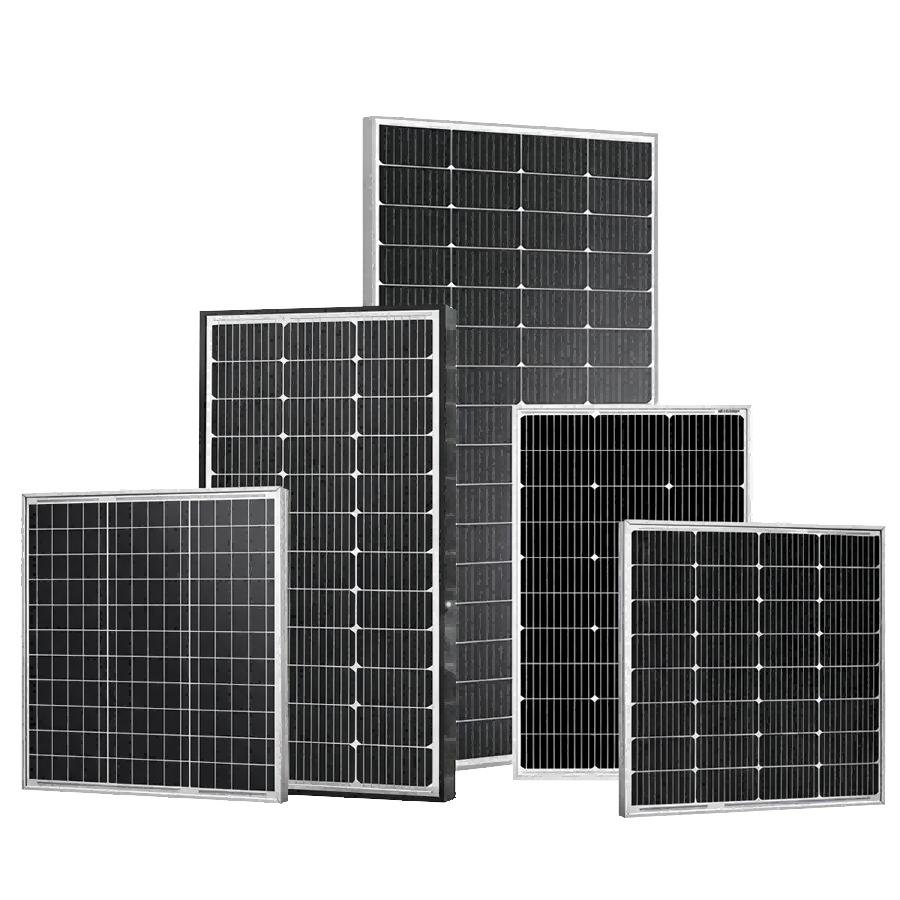
Solar Panels
Framed solar modules for rooftops, vehicles and fixed installations.
Reference module range · 5–705 WExplore range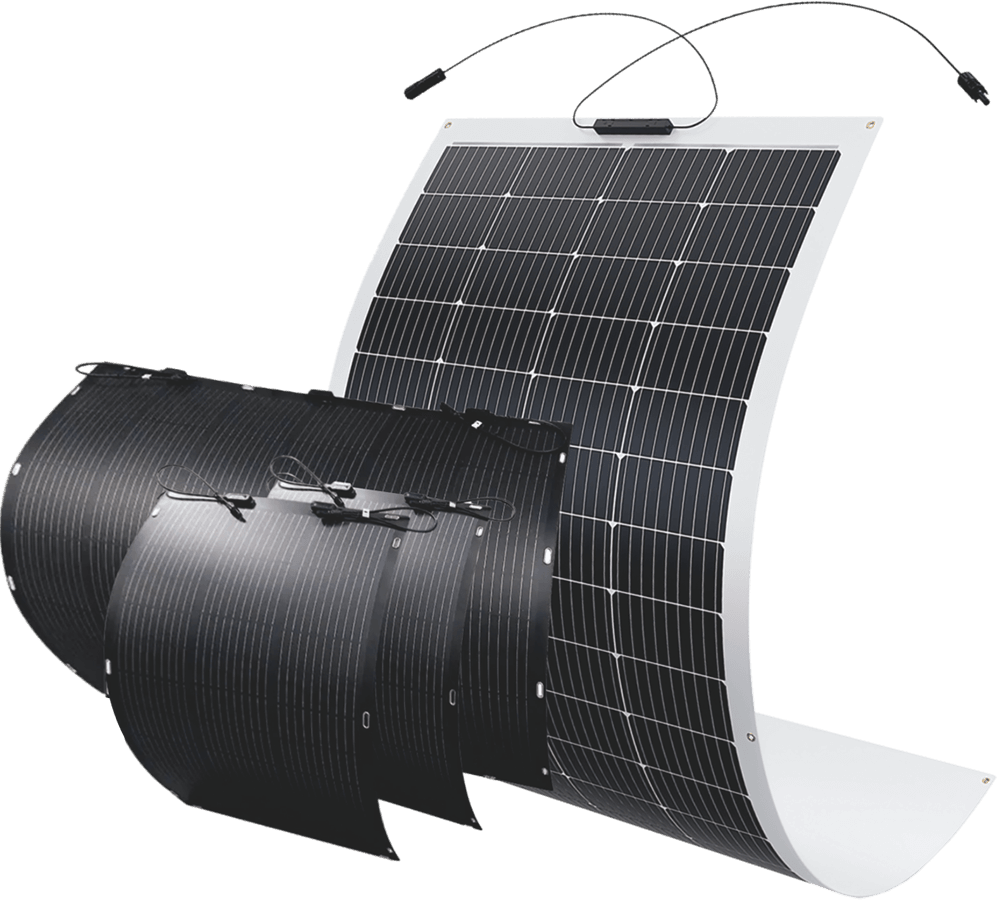
Solar Panels
Solar module selection for mobile and space-constrained installations.
Reference module range · 10–400 WExplore range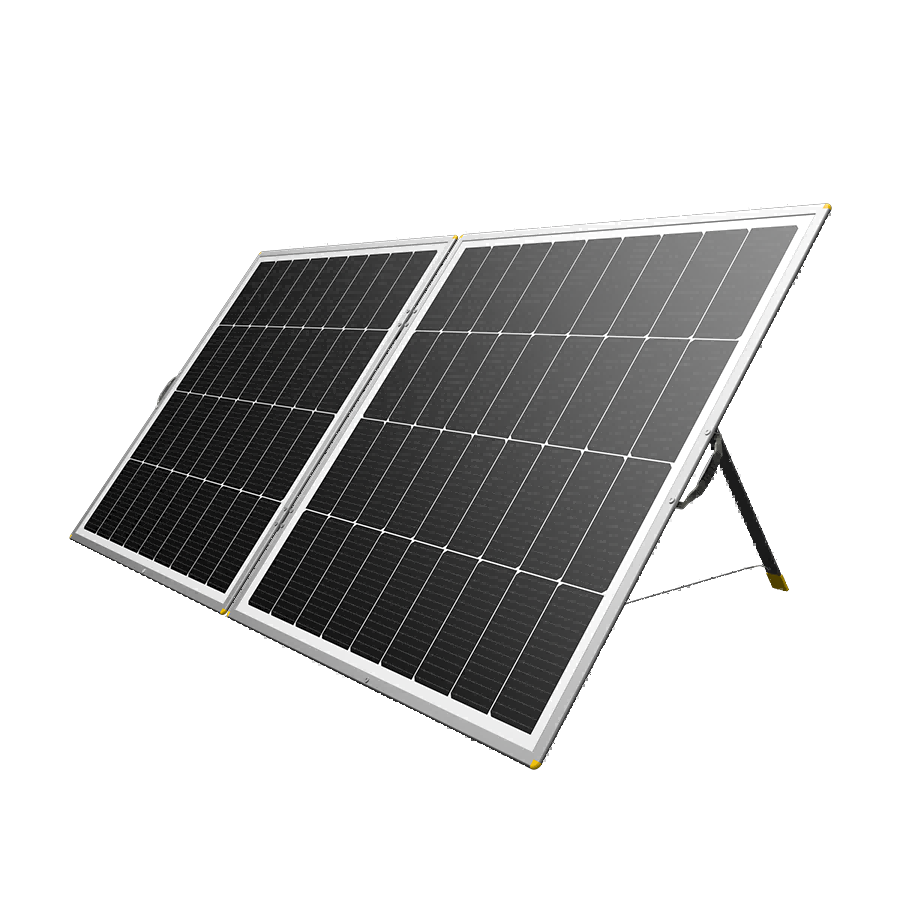
Solar Panels
Foldable modules and portable solar charging for travel and outdoor use.
Reference module range · 35–480 WExplore rangeYOUR NEXT ENERGY PROJECT
Share your application, market and requirements.
MODULE SELECTION & OEM REVIEW
Custom solar starts with the space and electrical function your module must serve. Share a drawing or integration envelope, then define the construction, connections, appearance and quantities. Sample feasibility, tooling and production terms are reviewed for the proposed design.
Provide dimensions, shape, keep-out areas and junction-box constraints.
State target power, operating voltage and receiving equipment input limits.
Define finish, branding, samples, volume, required documents and delivery expectations.
Send a dimensioned roof drawing with vents, air conditioners, mounting zones and cable entry points. Auriva engineers can review module dimensions and layout options to make practical use of the available roof area.
Define target power, electrical limits, frame profile, cable length, connector, finish and intended order quantity. Agree the drawing revision and sample specification before production.
Review the solar panel OEM process ↗ Read the custom solar panel quotation guide ↗ Download the project RFQ worksheet ↗ Compare RV solar panel options ↗
BEFORE YOUR FIRST ORDER
Sample quantity, minimum order, sample cost and customisation depend on the proposed model. Request these with your quotation.
Provide the quantity and destination. Confirm readiness, shipping terms and delivery schedule in writing before ordering.
Review the exact model datasheet, applicable supporting documents and written warranty terms.
Documents ↗ Warranty ↗